
Comment period closed April 13, 2025; decision not confirmed. This is the Corps permit phase. The coastal use permit phase is on the main Lapis Lake Salvador page. We haven't confirmed the Corps' decision. Status as of 2025-04-09.
Lapis Energy Lake Salvador Carbon Sequestration Project
Analysis of permit application MVN-2025-00066-EMM: Critical concerns for safety, environment, and transparency
Project Summary
Critical Concerns
The Lapis Energy Lake Salvador Carbon Sequestration Project proposes CO₂ injection wells, access roads, and related infrastructure in Louisiana wetlands. Based on analysis, there are significant concerns requiring attention before approval.
Connection to St. Rose Blue Ammonia Plant
Based on its proximity, pipelines placement, capacity, and expected completion date, this is a likely storage well for the planned St. Charles Clean Fuels Blue Ammonia facility in St. Rose. This connection is significant for residents concerned about the combined environmental impact of both projects. However, U.S. Army Corp of Engineers is currently accepting comments for the CO₂ well, not the ammonia plant.
Key Concerns
- Serious safety risks documented from similar CO₂ projects, including incidents resulting in hospitalizations, evacuations, and wildlife mortality
- Inadequate emergency preparedness with no monitoring protocols, response procedures, or evacuation plans
- Disclosure issues regarding corporate ownership and long-term liability
- Direct conflicts with Louisiana's existing coastal restoration initiatives
- Significant environmental impacts to wetland hydrology, biodiversity, and carbon cycling
- Economic threats to the region's seafood industry, recreational activities, and tourism
- Multiple permit application deficiencies in safety planning, mitigation, and impact avoidance
Project Details
Permit: MVN-2025-00066-EMM
Location: Lake Salvador, LA
Capacity: 5-10 million metric tons/year
Expected operating date: 2027
Project Ownership:
- Primary applicant: Lapis Energy LP (represented by Brandon Anderson)
- Joint venture partner: Libra CO2 Storage Solutions LLC (50% Lapis Energy, 50% Denbury Inc.)
- Note: Denbury was acquired by ExxonMobil in a $4.9 billion transaction
Submit Comments by April 13, 2025
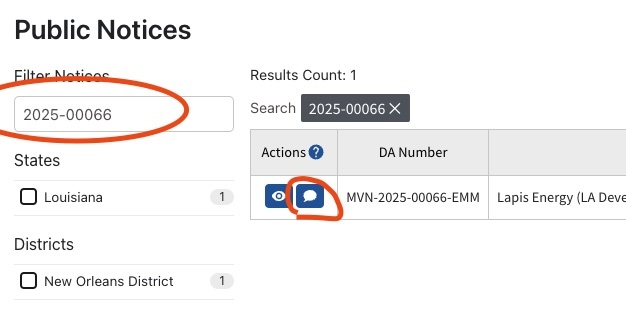
Read the USACE public notice for more information.
Filter by "2025-00066", click the comment balloon, and be sure to include your country code: 1 in your phone number.
Or email Scott Kennedy and mention the project number (MVN-2025-00066-EMM).
Proposed Infrastructure
- 24' x 33,980' access road across wetlands (approximately 6.4 miles)
- 400' x 400' injection well pad
- Pipeline trenching
- Total wetland impact: 10.69 acres of freshwater emergent wetland (classified as PEM1F in 1988). 6.46 acres of wetlands would be permanently impacted, the rest would potentially only be temporarily impacted.
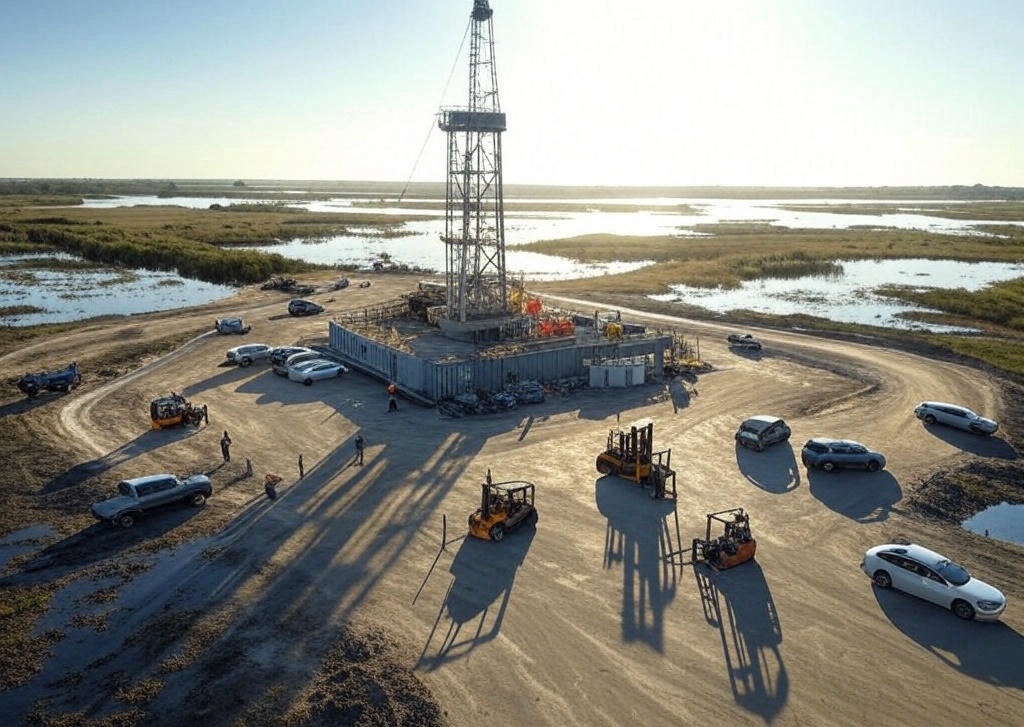
Safety Concerns and Previous Incidents
Physical Hazards of CO₂
- Colorless and odorless, requiring specialized detection equipment
- Heavier than air, pools in low-lying areas
- Causes rapid temperature drops and potential frostbite upon release
- Acts as an asphyxiant
Emergency Response Limitations
- Project location in wetland with limited access
- Single 24' x 33,980' road to the injection well pad
- Local fire departments lack specialized training, equipment, and vehicles for CO₂ incidents
- Extended response times likely in emergency situations
- Limited evacuation options
Previous Incidents Involving CO₂ Infrastructure
February 2020, Satartia, Mississippi 49 Hospitalized
- Denbury CO₂ pipeline rupture
- 49 people hospitalized
- Approximately 250 residents evacuated
- Reports of long-term health effects
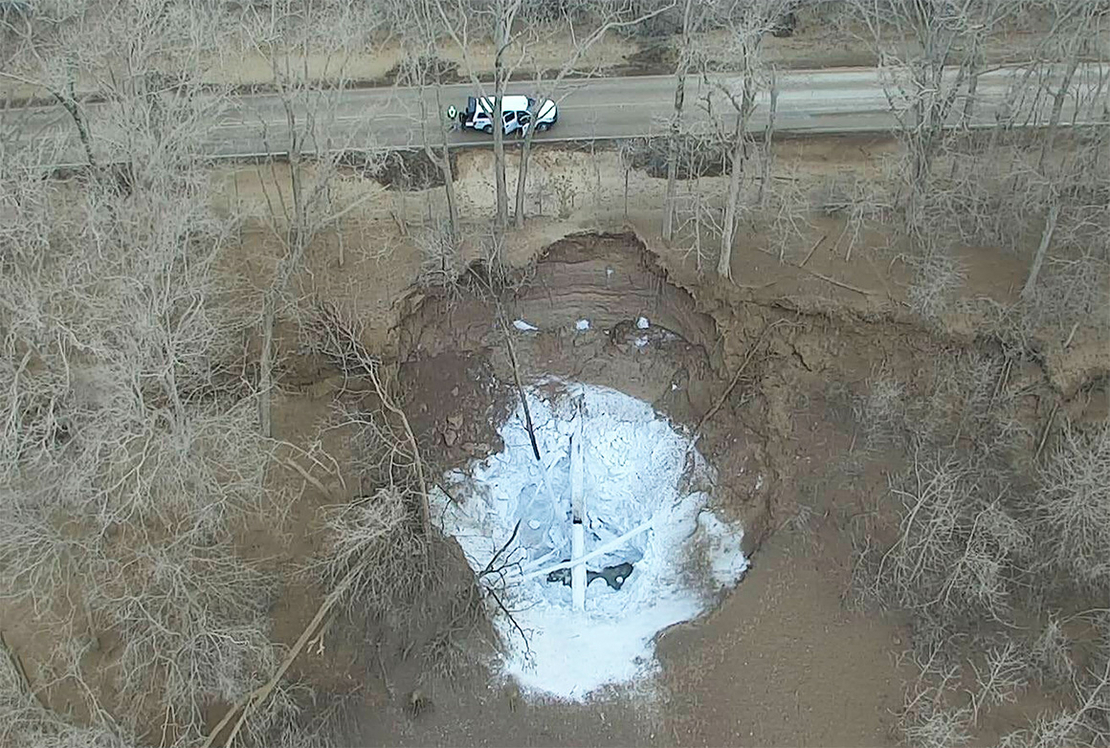
2011, Tinsley, Mississippi 37-Day Blowout
- Denbury CO₂ blowout lasted 37 days
- Wildlife mortality (deer) due to CO₂ suffocation
- Required removal of 27,000 tons of contaminated material and 32,000 barrels of liquids
- Resulted in significant fine from the Mississippi Department of Environmental Quality
- Potential impacts in a wetland environment like Lake Salvador would be even more severe, affecting both aquatic and terrestrial wildlife
April 3, 2024, Calcasieu Parish, Louisiana Recent
- CO₂ pipeline leak in Sulphur from a high-pressure carbon dioxide pipeline owned jointly by Denbury Inc. and ExxonMobil
- Shelter-in-place orders issued for North Sulphur area residents
- Pipeline operator representatives arrived almost two hours after Calcasieu Parish's Ward 6 Fire Department had already responded
- James Hiatt, Executive Director of For a Better Bayou, noted this "wasn't the first incident at the North Sulphur site, highlighting a troubling pattern of safety lapses"
2007, Amite and Lincoln counties, Mississippi Homes Evacuated
- CO₂ leaks from Denbury Resources' wells led to home evacuations
- In Amite County, crude oil and saltwater contamination of soil and water occurred over several acres
- Cleanup cost approximately $3 million
- In Lincoln County, several homes had to be evacuated
Disclosure and Liability Issues
- The Financial Supervisory Authority (FIN-FSA) previously imposed a €450,000 penalty on Privanet Capital Markets Ltd for providing false and misleading information about the financial position and risks of the Lapis Group
- Limited disclosure of corporate relationships (Denbury's involvement as 50% partner not mentioned in public notice)
- Denbury was acquired by ExxonMobil in a $4.9 billion transaction shortly after establishing the joint venture with Lapis Energy
- Questions about long-term liability, especially given Louisiana regulations allow transfer of liability to the state after 50 years
Louisiana established the Carbon Dioxide Geologic Storage Trust Fund specifically to address long-term liabilities:
- Funded through fees payable by injection well operators for each ton of CO₂ injected
- Used for operational and long-term inspecting, testing, monitoring, remediation, well plugging, and administration
- Maximum payment of five million dollars per facility and ten million dollars per storage operator
- Release from liability does not apply if the trust fund is depleted and contains inadequate funds
- The rapid corporate ownership changes (Denbury to ExxonMobil) demonstrate how quickly responsibility can shift, potentially leaving communities without recourse
Conflicts with Existing Coastal Initiatives
Community Voices
Louisiana residents and officials share their concerns about carbon sequestration
There's no value to injecting CO2 under our water – only risks
Roland Hollins, Allen Parish Police Jury
Everybody is skeptical of them storing whatever underground for eternity. It's unknown. No one wants to be the guinea pig
James Hiatt, Lake Charles resident
There is no guarantee this stuff is never going to leak
Lisa Cothern, Community member
[Carbon sequestration] is creating a dump and it is a dangerous dump... We don’t know what it’s going to do
Charles Owen, State Representative
Labeled carbon capture and storage a "climate scam"
Monique Harden, Deep South Center for Environmental Justice
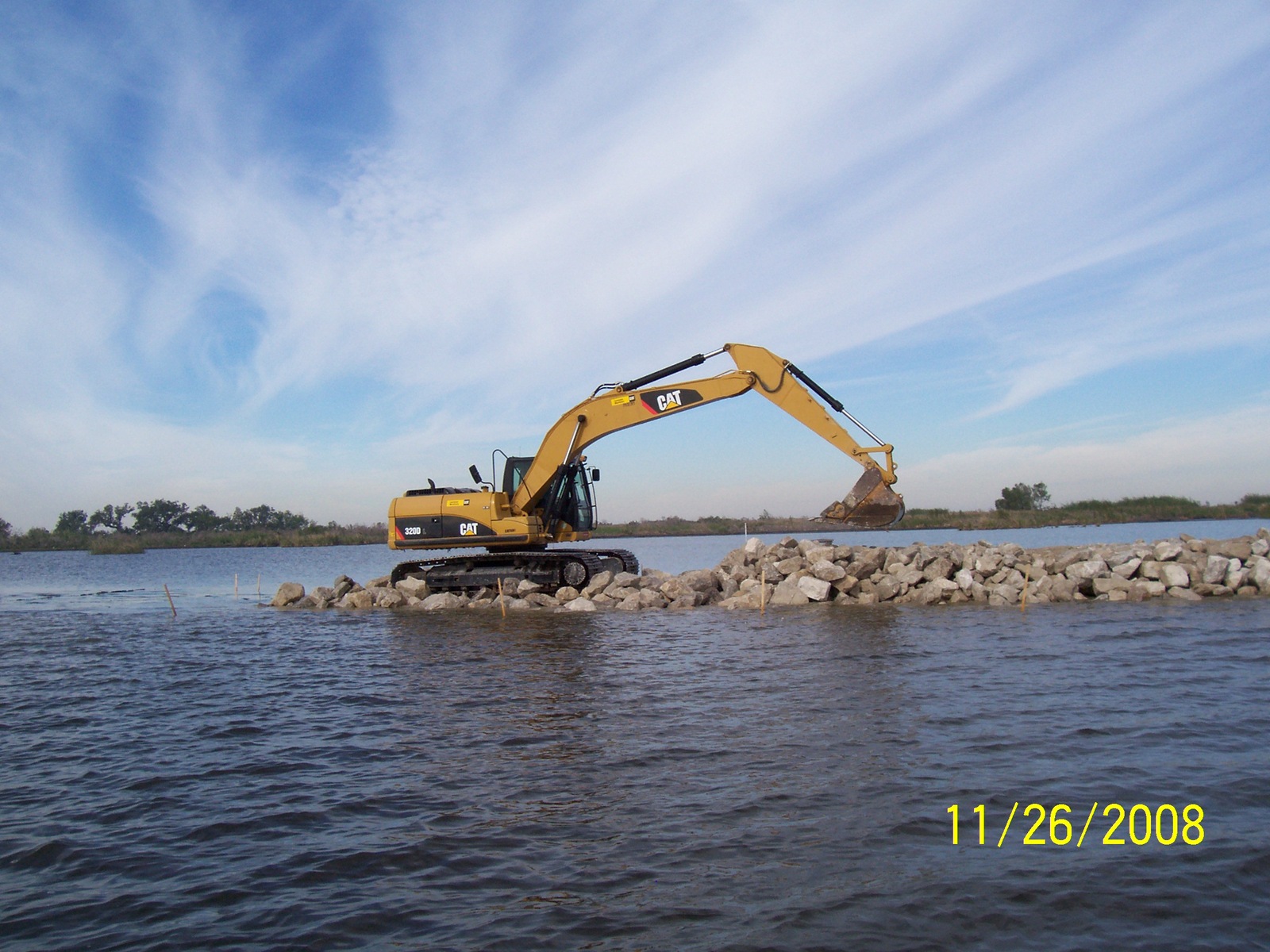
Louisiana's Coastal Master Plan Projects
Lake Salvador Shoreline Protection Demonstration Project
- Targets shoreline erosion along Lake Salvador's northern and southwestern shores
- Phase I tested various shoreline protection structures along 5,900 feet of the northern shoreline within the Lake Salvador Wildlife Management Area
- Phase II features a 9,000-foot rock shoreline stabilization structure along the southwestern shore, near Bayou Des Allemands
- Designed to shield adjacent marshes from wave-induced erosion
Des Allemands Swamp initiatives:
- Hydrologic restoration to alleviate impoundment conditions that hinder natural water flow and led to tree mortality
- Vegetative planting including cypress and tupelo saplings with protective measures against herbivory
- Located west of Lac des Allemands in St. James Parish
The 2017 Coastal Master Plan identified specific shoreline protection initiatives for both Lake Salvador and Lac des Allemands aimed at mitigating shoreline erosion and preserving adjacent wetlands.
Environmental Concerns
Documented Environmental Impacts
Research indicates several potential impacts from CO₂ infrastructure in wetland environments:
Hydrological Disruption
- Flook et al. (2020): CO₂ wells and infrastructure alter groundwater systems through changed pressure and flow patterns in spring wetlands
- Plach et al. (2017): Road construction specifically impedes groundwater movement across wetlands, creating hydrological barriers
- Lemmer et al. (2020): Documented "an average rise in water table level of 10.4 cm in restored sectors compared to 5.6 cm in reference sectors"
Infrastructure Effects
- Plach et al. (2017): "Semi-permanent road placement is linked to significantly reduced net natural CO₂ sequestration on the downflow side"
- Research shows roads create measurable differences in vegetation composition and CO₂ exchange rates on either side, indicating ecological barriers
- Permeable pavements, elevated roads or bridges, and geotextiles/mats would minimize environmental impact but haven't been incorporated into the project design
Biodiversity Impacts
- Brittingham et al. (2014): Identified risks to wildlife and aquatic resources, particularly for species with limited range, small population size, specialized habitat requirements, and high sensitivity to disturbance
- Plach et al. (2017): Documented long-term impacts of infrastructure on plant communities with observable differences in vegetation composition near infrastructure
- No animal crossing structures (tunnels or overpasses) have been proposed to maintain wildlife movement and biodiversity
Carbon Cycling Alterations
- Saraswati et al. (2023): "Access roads are linked to reduced growing season carbon uptake in adjacent peatlands"
- Recommends "aligning roads parallel to local water flow and equipping them with culverts that enhance hydrological connectivity", which wasn't done in the suggested permit
- Case studies in Florida have demonstrated these techniques can maintain wetland hydrology
- Lemmer et al. (2020): Complete removal of well pad materials can create shallow open water areas with high methane emissions, making these sites net carbon sources
Edge Effects and Vegetation Changes
- Plach et al. (2017) and Saraswati et al. (2023): Documented "differences in vegetation composition near infrastructure"
- Research indicates these edge effects extend into wetland ecosystems, creating zones of altered ecological functioning
Water Quality Concerns
- CO₂ leakage can lead to groundwater acidification
- The application lacks assessment of groundwater acidification risks from potential CO2 leakage, which could mobilize metals and affect drinking water supplies
- There are no comprehensive monitoring plans for detecting leaks into groundwater systems
- Studies by Duke University found that CO₂ leaks can increase metal levels in drinking water by reacting with water to form carbonic acid
- Louisiana's interconnected water systems would allow acidification impacts to spread through both groundwater and surface water
- Particular risk to shellfish such as oysters, which cannot properly form shells in acidified water, threatening Louisiana's $1B+ seafood industry
Economic Considerations
Local Industries Potentially Affected
Commercial fishing and crabbing
Impacts on Louisiana's $1B+ seafood industry
Recreational activities
Hunting, fishing, wildlife observation
Tourism operators
Swamp tours, airboat operators, guides
Ecotourism
Wildlife and cultural experiences
Documented Recreation Value:
- 380 ducks harvested in a single opening day on the Salvador Wildlife Management Area
- Notable deer hunting achievements include Matt Caire's impressive eight-point swamp buck in Des Allemands that green-scored 141 4/8, featuring 20-inch main beams
- Salvador Wildlife Management Area provides habitat for waterfowl, deer, rabbit, squirrel, rails, gallinules, and snipe
- 2 Da Swamp Cajun Tours based in Des Allemands offers boat tours focused on swamp wildlife and Cajun history
- Airboat operators provide thrilling rides through marsh and cypress swamps
- Tour guides share the region's Cajun heritage and history with visitors
- Salvador Wildlife Management Area attracts birdwatchers to its freshwater marsh with scattered ponds and large cypress stands
Permit Application Deficiencies
Missing Safety Information
- No monitoring protocols for detecting CO₂ leaks
- No emergency response procedures
- No evacuation plans
- No coordination with local emergency services
Inadequate Mitigation Plans
"The applicant has proposed to compensate for any unavoidable impacts to jurisdictional wetlands by utilizing a Corps approved mitigation bank within the watershed"
This generic statement fails to provide:
- No specified mitigation ratios
- No consideration of temporal losses between impact and mitigation
- No information about the functional value of affected wetlands
- No explanation of how watershed needs factor into mitigation requirements
- No acknowledgment of the scientific evidence (Lemmer et al., 2020) that the reintroduction of specific wetland plant species during restoration efforts influences carbon uptake and ecosystem functioning
Insufficient Avoidance & Minimization
- No evidence of infrastructure design optimization
- No consideration for aligning access roads with water flow patterns
- No justification for the dimensions of the injection well pad and access road
- No plans for hydrological management through culverts
- No monitoring program for water table levels, carbon flux, vegetation changes, or wildlife impacts
- No monitoring for potential groundwater acidification
- Failure to consider partial versus complete pad removal strategies
- Failure to consider beneficial use of spoil material for marsh creation
No consideration of environmentally friendly construction techniques such as:
- Permeable pavements to allow water flow and maintain natural hydrology
- Elevated roads or bridges to minimize soil disturbance
- Geotextiles and mats to protect underlying soil
- Animal crossing structures to maintain wildlife movement
Comparable Applications
Compared to similar carbon sequestration project applications (like Hackberry MVN-2021-01265 WQQ and Denbury MVN-2023-000900-CQ), this application omits critical information typically included in such proposals:
- No identification of Underground Sources of Drinking Water (USDW) depth
- No specification of CO2 injection/storage capacity
- Limited geological information about target formations
- No reference to specific state regulations governing CO2 injection
- No public hearing scheduled (unlike other similar projects)
Conclusion and Recommendations
Key Findings
- The project presents documented safety risks based on multiple previous incidents at similar facilities
- The proposed location conflicts with existing coastal restoration initiatives in the Lake Salvador area
- Scientific evidence demonstrates significant potential impacts to wetland hydrology, wildlife, and carbon sequestration
- The public notice fails to acknowledge Denbury's involvement, likely due to their poor reputation
- The permit application lacks critical information on safety protocols, emergency response, and environmental mitigation
Recommendations
The U.S. Army Corps of Engineers should:
- Deny the current permit application (MVN-2025-00066-EMM) due to its substantial deficiencies
- Require comprehensive safety protocols including monitoring systems, emergency response plans, and evacuation procedures
- Mandate a thorough alternatives analysis that demonstrates why impacts to Lake Salvador wetlands are unavoidable
- Require detailed mitigation plans with specific ratios, temporal considerations, and functional assessments
- Demand alignment with existing coastal initiatives to ensure the project does not undermine ongoing restoration efforts
- Require full disclosure of corporate relationships and clear long-term liability frameworks
- Schedule a public hearing to allow community input on the revised application
Take Action Before April 13, 2025
Your voice matters! Submit your comments on the Lapis Energy Lake Salvador Carbon Sequestration Project to the U.S. Army Corps of Engineers.
Submit Comment Online Email Comment
When submitting online, navigate to the RRS site, click accept, filter by "2025-00066" and click the comment balloon.
When emailing, mention the project number (MVN-2025-00066-EMM) in your subject line.
Next phase: the coastal use permit, P20240989.