
LDEQ issued the air permit Aug. 18, 2026; a court challenge is pending. Refined Community Empowerment petitioned the 19th Judicial District Court to review the permit on Sept. 28, 2026. This page is kept as it stood when the comment period was open. Status as of 2026-09-28.
30 NEW Tanks Don't Meet Setback Requirements
Parish law requires 2,000 feet from homes to protect residents. IMTT's new tanks don't meet this requirement.
- 30 New Tanks Proposed
- 250ft Closest Existing Tanks to Homes
- 2,000ft Required by Parish Law
- 681% Ammonia Increase
30 New Tanks Don't Meet Parish Law
St. Charles Parish requires 2,000-foot setback to protect residents - these new tanks don't meet this requirement
St. Charles Parish Setback Requirement
St. Charles Parish Code of Ordinances, Appendix A – Zoning Ordinance of 1981
Section VI.C.2.b under Heavy Manufacturing (M-2) District
250ft
Closest Existing Tanks
VS
2,000ft
REQUIRED BY LAW
"There is almost nowhere on IMTT's property that's 2,000 ft from the nearest house"
- Dr. Kimberly Terrell, Environmental Scientist, Center for Applied Environmental Science
Existing tanks are grandfathered, but NEW tanks must meet current law designed to protect residents.
ALL New Tanks Don't Meet Parish Law
4 New Ammonia Tanks
Related to St. Charles Pink Fuels project - site plans provided, but don't meet 2,000-foot setback requirement
26 Additional Tanks
80 million gallon capacity increase (~12% expansion) - NO site plans provided AND won't meet setback law
ZERO new tanks meet the legal requirements designed to protect residents
26 Tanks: Locations Hidden
No Site Plans Provided
IMTT refuses to show where the 26 additional storage tanks will be located
- Southwest corner near Oakville Ridge?
- Elkinsville side - 15 small tanks?
- North side - 8.5 million gallon giants?
"Are they right on the fence line? In the middle? They won't tell us."
Spirit of the Law
"What's the point of the 2,000-foot rule if it doesn't apply here?"
"The ordinance was intended to protect people from this very type of development"
- Dr. Kimberly Terrell
This community is exactly why setback rules exist
Permitted vs. Actual: A License to Poison
IMTT can legally increase pollution 700% and still be "in compliance"
The Deadly Loophole
Permitted VOCs: ~1,400 tons per year (major emitter threshold is only 100 tons)
Reported actual emissions: ~200 tons per year
What this means: IMTT could emit 7 TIMES more pollution than currently reported and still be "legal"
7% Increase in the Worst Cancer-Causing Chemicals
IMTT seeks to increase emissions of the most toxic pollutants:
- Benzene - Known carcinogen
- Formaldehyde - Cancer-causing agent
- PAHs (polycyclic aromatic hydrocarbons) - "The stuff in petroleum that makes it cancer-causing"

Immediate Proximity
"You can throw a baseball and hit one of these tanks" - Gen. Russel Honoré
- Existing tanks just 250 feet from homes
- Chemicals enter bedrooms at night
- No buffer zone protection
- 24/7 exposure to toxic emissions
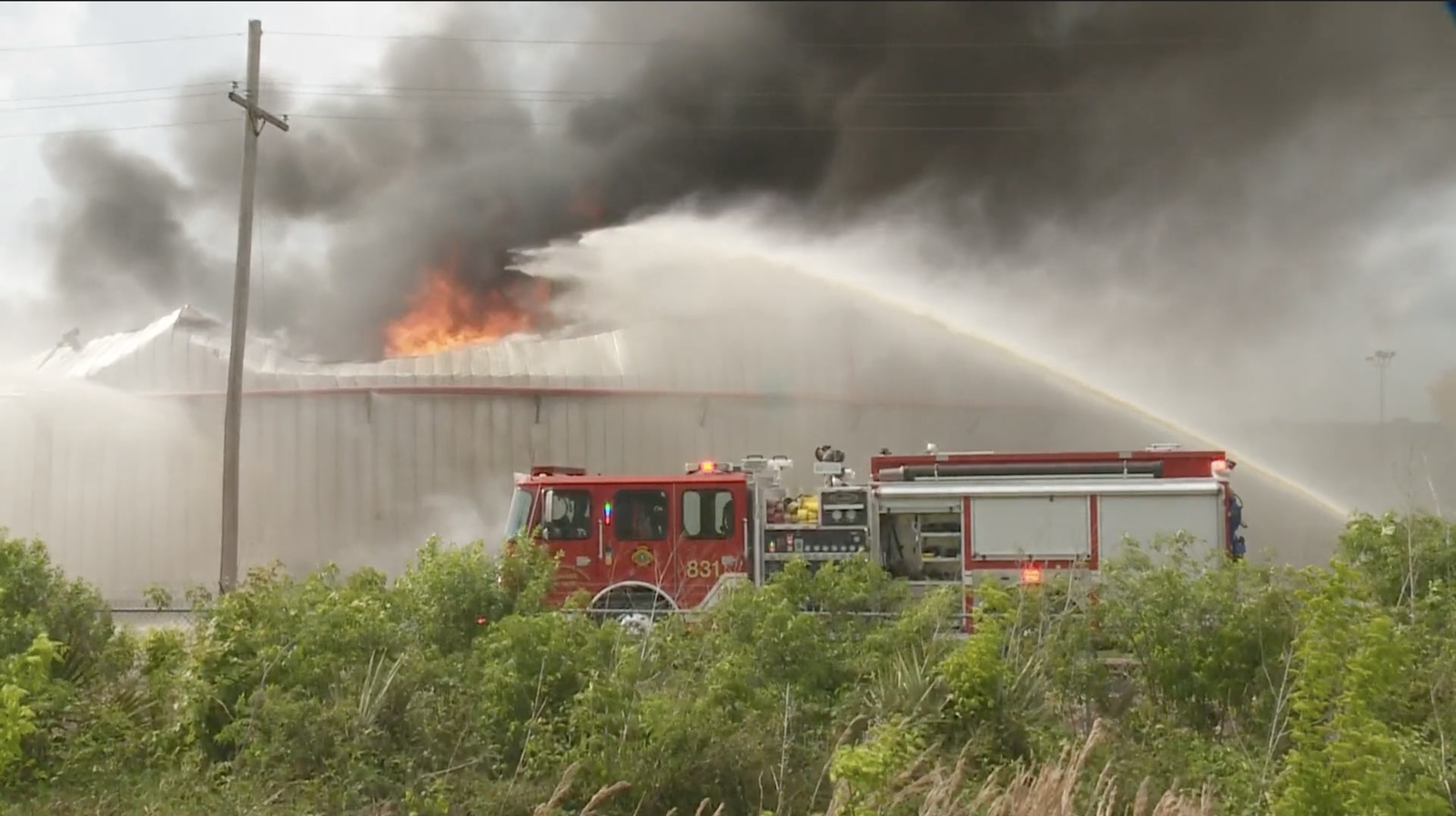
Pattern of Fires & Accidents
- July 2020: Major fire incident
- June 2022: Petroleum manifold fire
- April 2023: Explosion injuring 2 workers
- July 2024: EPA fine for violations
"This doesn't sound like a good neighbor to me"
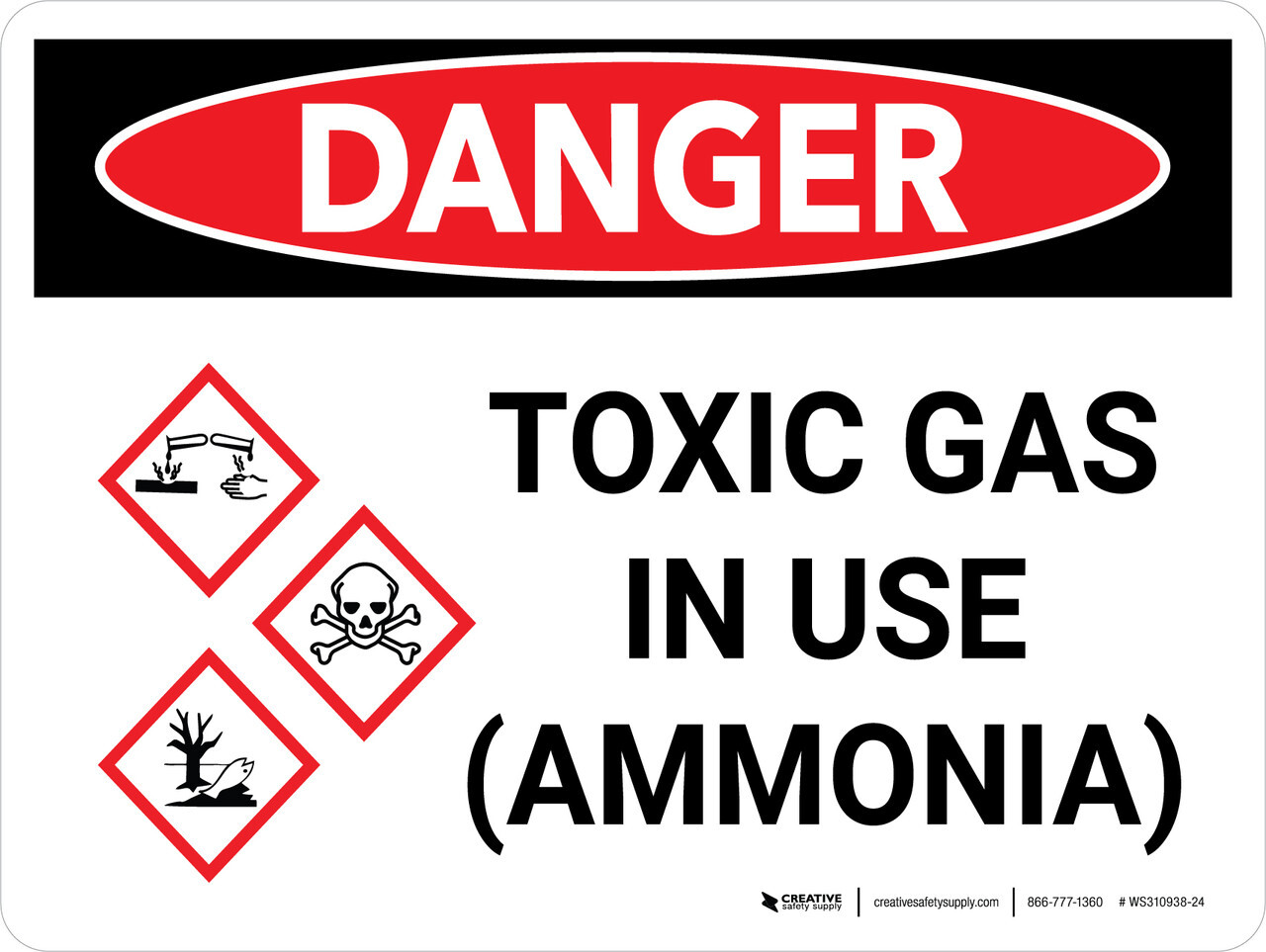
Ammonia: From 2.89 to 22.6 Tons/Year
681% increase in ammonia emissions
- 82 ammonia incidents nationwide in just one year
- Can be fatal in high concentrations
- Destroys oxygen - we can't breathe
- Emergency flares show they expect problems
An additional 19.7 tons of ammonia every year
The PR Deception
IMTT's Misleading Claims
IMTT claims "46% vegetable oils" to sound green, but by volume:
- ~60% is petroleum products
- The petroleum tanks are MUCH larger
- Petroleum products contain the cancer-causing chemicals
"Don't be fooled by their greenwashing" - Dr. Terrell
25 Years of Violations & Failures
A decades-long pattern of criminal behavior, safety failures, and community harm
- Criminal Conviction
IMTT pleaded guilty to criminal Clean Water Act violations for intentionally submitting false water samples for 2 years
Criminal Fine: $800,000 - Clean Water Act Violation
Unauthorized wetland destruction - filled 5.75 acres without permits
Federal Violation - Worker Death
Ron Mix, 30-year veteran contractor, crushed to death when tank collapsed on him
Fatal Accident - Emissions Underreporting
Actual NOx emissions 38% higher than reported - had to revise permits
Monitoring Failure - Mass Poisoning Event
Over 400 health complaints, 130+ people reported illness in first week from hydrogen sulfide emissions
Community Crisis - Catastrophic Barge Explosion
Over-pressurization lifted barge 3-4 feet, caused $1.5 million damage, injured workers
Major Accident - Explosion & Fire
Two workers injured, smoke plumes reached interstate
Safety Failure - EPA Violations
Failed hazard assessments, didn't identify VOC emissions
$173,000 Fine - Hurricane Flooding
Site flooded, contamination sheen visible, runoff enters LaBranche Wetlands
Environmental Risk
Community Voices
Real people. Real suffering. Real outrage.
Rosemary Green
Forced to call 911 from chemical exposure

Kimbrelle Eugene Kyereh
Chemicals detected inside her home

Gen. Russel Honoré
"You can throw a baseball and hit one of these tanks"
June 1, 2024 - American Legion Hall, St. Rose

Anorna C. Johnson
Defending historic Elkinsville community
"I could not breathe... it came pouring in and it was so bad that it took my breath away. For the first time in my life I became confused... I called 911."
Rosemary Green, St. Rose
"The air inside her home had the highest quantity of acetone followed by n-hexane and benzene, a known cancer-causing agent. These chemicals were not just outside my home, they were inside my home."
Kimbrelle Eugene Kyereh, Community Advocate
"At the age of 8, I had asthma. We also have a 25% higher infertility rate in cancer alley than any other area in this country."
Clarence Smith III, 20-year-old St. Rose resident
"This is a very historical site. It's very valuable, unique and sacred to us... This plant will destroy all the resources that we have."
Anorna C. Johnson, Elkinsville Historic Restoration Association
LaBranche Wetlands at Risk
Direct discharges into wetlands through 6 outfalls - ammonia, firewater, and contaminated stormwater
14,000 Acres of Critical Wetlands Under Direct Threat
IMTT's permit authorizes direct discharges into LaBranche Wetlands through SIX different outfalls (001, 002, 003, 004, 008, 009).
These discharges include: stormwater runoff from containment areas, truck/rail loading zones, maintenance areas, boiler blowdown, firewater, fire testing water, and more - all flowing directly into the wetlands that protect us from hurricanes.
Ammonia monitoring is now required at ALL SIX outfalls - confirming that the 681% ammonia increase (19.7 additional tons per year) will flow directly into this critical ecosystem. Ammonia is lethal to fish at just 0.02 mg/L.
What's Being Discharged Into Our Wetlands
The permit authorizes discharge of:
- Ammonia - 681% increase, monitored at all 6 outfalls
- Contaminated stormwater - from inside containments, loading areas
- Firewater & fire testing water - given IMTT's history of fires, this is concerning
- Boiler blowdown - industrial waste chemicals
- Vehicle washwater - petroleum residues and chemicals
- Maintenance area runoff - oils, solvents, contaminants
All flowing into LaBranche Wetlands, then Lake Pontchartrain
What Ammonia Does to Wildlife
- Fish: Gill damage, organ failure, mass die-offs at concentrations as low as 0.02 mg/L
- Birds: Loss of food sources, breeding disruption
- Ecosystem: Algal blooms, oxygen depletion, habitat destruction
- Cumulative impact: 19.7 additional tons per year through multiple discharge points
The wetlands that protect us from storms are being poisoned
Firewater Discharge: A Toxic Legacy
Given IMTT's documented fire history (2020, 2022, 2023), the permit's authorization of firewater and fire testing water discharge into the wetlands is deeply concerning.
Every fire means:
- Contaminated firewater containing petroleum products, chemicals, and toxins
- Direct discharge into LaBranche Wetlands through multiple outfalls
- Long-term ecosystem damage from each incident
- Fire testing water regularly flushing contaminants into the wetlands
With IMTT's pattern of fires and accidents, this authorization creates an ongoing threat to our wetlands.
This Affects YOU
Dead wetlands mean:
- Less hurricane protection for our communities
- More flooding in our neighborhoods
- Loss of fishing and recreational areas
- Declining property values
- Contaminated water reaching Lake Pontchartrain
We depend on these wetlands. They depend on us to protect them.
Health & Environmental Impact
The human cost of industrial pollution
- Respiratory Disease
- 96% higher risk than rest of Louisiana
- Cancer Risk
- 40 different toxic pollutants including benzene
- Childhood Asthma
- Children developing asthma at alarming rates
- Pregnancy Loss
- 25% higher infertility rate in Cancer Alley
- Home Invasion
- Toxic chemicals detected inside homes
- No Emergency Escape
- Residents may not have cars, may be elderly, trapped
Environmental Justice Violation
Historic Elkinsville Community Under Siege
Founded by formerly enslaved people, Elkinsville is a historically significant Black community that faces the greatest exposure risk from IMTT's operations.
"People of color get less than a quarter of the good paying industry jobs in St. Charles Parish, even though they make up one third of the working-age population."
- Gianna St. Julien, Tulane Environmental Law Clinic
This is environmental racism, plain and simple.
Stop IMTT's Expansion
Two ways to make your voice heard:
PUBLIC HEARING - October 21, 2025 at 6:00 PM
Albert Cammon Middle School Gymnasium
234 Pirate Dr., St. Rose, LA 70087
You get 3 minutes to speak directly to LDEQ officials. This is powerful - they must hear you in person!
Can't make it? Submit comments online by October 23rd.
Key Points to Highlight in Your Comment
Focus on the setback issue: "These 30 new tanks don't meet St. Charles Parish's 2,000-foot setback requirement designed to protect residents."
Question the emission limits: "Why allow IMTT to emit 7 times more pollution than they currently emit? Set limits based on actual emissions."
Demand better monitoring: "IMTT must monitor all toxic emissions continuously, not just quarterly checks."
How to Make Your Comment Count:
Whether speaking at the hearing or commenting online, keep it simple and from the heart.
1
Start with Your Ask
Simply state: "LDEQ should deny this permit."
2
Point Out the Setback Issue
State that these 30 new tanks don't meet the parish's 2,000-foot setback requirement designed to protect residents.
3
Share Your Experience (Optional)
If you've experienced health issues, bad smells, or other impacts, briefly describe them.
4
Raise Concerns
Why allow 7x more pollution? Where will the 26 unmapped tanks go? These tanks don't meet parish law designed to protect us.
or
Send Email to LDEQ Call LDEQ (Anonymous)
Anonymous Phone Comments: Call (225) 219-3035 to leave an anonymous comment. Perfect for those working in oil & gas or petrochemical industries who fear workplace repercussions.
Reference: Permit #2520-00033-V16, Activity #PER20200009